A Closer Look at Pallavi Joyappa
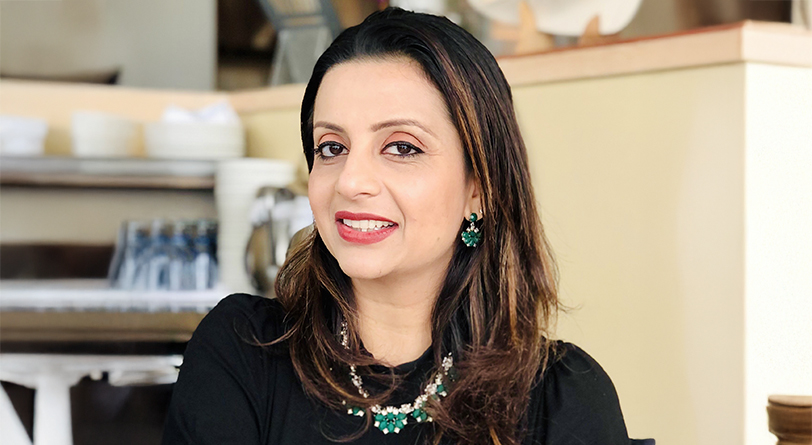
In each issue, FlexPack VOICE® interviews an industry leader or a professional who supports the Flexible Packaging Association (FPA) in its various efforts, such as industry advocacy. In this edition, we profile Pallavi Joyappa, president, Emerald Packaging, Inc.
Emerald Packaging is a flexible packaging converter focused primarily on fresh produce.
“Sustainability, innovation, and long-term partnerships are central to how we operate, and we work closely with growers and brands to develop packaging solutions that keep produce fresh while reducing environmental impact,” says Joyappa, who joined Emerald 20 years ago as a process control engineer.
Along the way, she has built and grown multiple departments. “My role has evolved alongside the company. Today, I serve as president, focused on scaling the business responsibly while staying closely connected to the operational details that drive performance, quality, and sustainability.”
“Like most people in this industry, I wear a lot of hats,” she adds. “That is simply the nature of the business and part of what keeps it interesting.”
Joyappa is an industrial engineer by training. She was introduced to the packaging industry in the Midwest, which she notes is often considered the heart of the printing world.
“I began my career coding straight out of college, but I quickly realized that packaging was a much better fit for me,” she says. “I am drawn to how tangible the work is: What you see is what you get. At Emerald, it is especially meaningful to be part of something as holistic and essential as fresh produce. I truly cannot imagine myself in any other industry.”
FlexPack VOICE®: Is there a particular experience that stands out in your career, good or bad—or both?
Pallavi Joyappa: There are so many. I have been fortunate to be at the forefront of several disruptive technologies in the flexible packaging space. Being one of the first beta sites for wide-web digital printing was a defining moment for Emerald, and I had the opportunity to help architect and implement that project. I have also been involved in expanding our manufacturing footprint, building a sustainability portfolio that genuinely benefits the planet. That said, after more than 20 years with the company, you also experience the harder moments. You lose peers and competitors along the way, and that stays with you. It is a powerful reminder of how deeply this industry, along with the people in it, becomes part of your life.
FPV: Talk a bit about your involvement with FPA.
PJ: My work with FPA is about helping better understand flexible packaging, especially its role in extending shelf life, reducing food waste, and, ultimately, cutting down on methane emissions. There is so much more to packaging than what people see on the shelf. I enjoy being part of the conversation around common-sense regulation and helping position packaging as a true enabler for the food and beverage industry.
I am also constantly inspired by the women leaders in manufacturing who balance demanding careers with family life so seamlessly. One of the things I love most about this industry is its incredible inclusivity.
FPV: What do you see as the major challenges facing the industry? What can be done, especially when it comes to regulation?
PJ: The biggest challenge is recycling infrastructure or, rather, the lack of it. And everyone wants sustainable packaging, but very few want to pay for it. Research shows consumers are generally willing to accept a 5%–6% price increase, yet many compostable or alternative materials cost three to five times more. On top of that, every state seems to have its own set of rules, and they do not always align. That creates real challenges for converters. What we really need is a federal mandate—one where brands, retailers, and others with deeper pockets help fund the infrastructure needed to collect, sort, and recycle materials effectively.
FPV: Have you had mentors along the way?
PJ: When I joined the industry 20 years ago, I was very much an engineer, strong on the technical side, less so on the people side. Things felt very black and white back then. I have been incredibly fortunate to be mentored by Kevin Kelly, our CEO, who taught me the importance of gray areas, especially when managing people. I am also constantly inspired by the women leaders in manufacturing who balance demanding careers with family life so seamlessly. One of the things I love most about this industry is its incredible inclusivity. In my experience, there is no real gender gap here, and pretty much everyone can succeed if they show up, stay curious, and put in the work.
FPV: What do you like to do in your spare time?
PJ: I love running and have completed a few half-marathons over the years. I also enjoy reading. When I am stressed, I tend to channel that energy into watering plants or pulling out weeds. I am lucky to have a family that is flexible and supportive, especially when it comes to my travels. And of course, our dog is always the most disappointed when I leave, especially when he sees me walk out through the garage.